import logging from datetime import timedelta from decimal import Decimal from django.conf import settings from django.contrib.auth import get_user_model from django.utils import timezone from django.db import transaction import stripe from rest_framework.exceptions import ValidationError from app
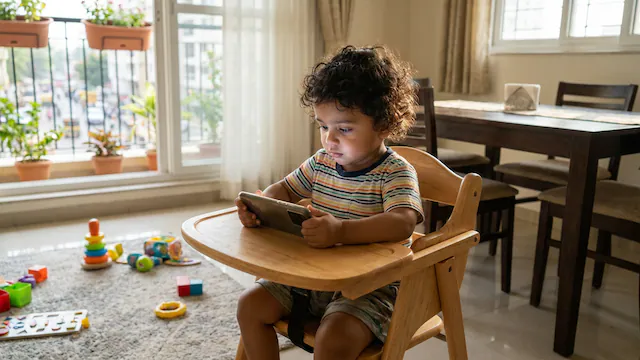
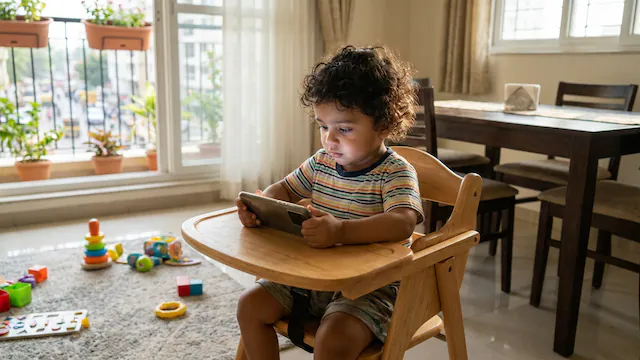
For so many parents in this digital age, the fastest and the easiest way to make the crying toddler stop crying or the agitated kid to become calm again is to give them the cell phone. Although this method of solving problems worked well, using technology to soothe a child's distress negatively influences the process of development of the baby's brain. Professionals started calling this method of soothing the baby as "digital pacifier" since the baby's feeling was soothed by means of something external instead of teaching the baby to manage his emotions.
It should be admitted that babies cannot deal with their emotions on their own as they feel upset, frustrated, sad, or disappointed about anything. This is the skill which should be learned by a child during the process of growing up. If parents come and comfort their child and explain what caused the emotions, then they teach the baby how to create proper neuronal connections necessary for coping with the emotions in future. But if the baby is provided with the gadget the minute they feel upset, then they will not have this precious opportunity. The bright colours, fast-moving images and immediate rewards capture the child's attention, rather than processing the emotion. The feeling doesn't get resolved; it just gets shunted under digital stimulation.
Technology used in this way leads to an unhealthy cycle where we become more affected in the long run by our actions, particularly regarding emotional regulation, which impacts both the child and parent. Without opportunity to build tolerance for frustrations and negative emotions, the child will be hypersensitive to minor things - from losing a game to waiting in-line to hearing 'no'.
As the child's emotional responses escalate, so does the expectation of parents to give in, after all, if your kid feels that way about everything then you must think there is something wrong with them. He/she needs the screen to feel better again. This dynamic impacts how kids perceive others' relationships and their own inner world. Without a hug, talk, and comforting words at times of distress, the child will lack the chance of gaining valuable lessons pertaining to communication and understanding people. Such children, who get too engrossed inside themselves due to their state of emotions or physique, find it difficult to recognize and express emotions. In adulthood, they are highly likely to engage in bad coping mechanisms like escapism through screens and thus suffer from anxiety disorder.
In addition, just getting a child to look at a screen at a time when they are restless or agitated will completely remove any need for physical activity to get rid of the built-up energy. Children are supposed to be running around, jumping, climbing and fidgeting as part of their natural way of getting rid of the stress hormones in their body and calming their nervous system down. But what if a kid prefers being inactive playing on his smartphone than going outside having fun? In this case he doesn't do sports activities or other types of physical activity. It makes sense that the accumulated energy can cause some problems with behaviour (restlessness), bad sleep quality and digestion. Lack of daily physical activity results in weak muscles, bad coordination, poor cardiovascular condition and finally leads to being overweight, it's a vicious cycle of low energy levels.
Don't try to cut off all gadgets from your kid's life thinking that if they aren't provided with a tablet or mobile, kids will behave well themselves. First of all, make sure that the screen isn't connected to any negative emotion. Provide a smartphone or tablet as an inevitable and predictable element of everyday routine, but don't expect these gadgets to console your upset kid. When your kid gets distressed, respond emotionally, try to keep calm and say some encouraging words to your little one. Offer him/her a glass of water or some time relaxing. It will make the kid understand that it is completely normal to be angry or have any other emotion and this feeling will pass with time.
Parents should remember that it takes patience and commitment, especially if the kid got used to getting a phone whenever he or she gets upset. Initially, taking the screen away from the situation can make the kid cry even louder since the child has to face his or her emotions that he or she cannot handle yet. The times of communication when parents teach children how to breathe properly, recognize mistakes and difficulties, or just be next to them until the child is calm, will contribute to overcoming the difficulty for the child and being able to rely on their own forces.
Source - ndtv.com