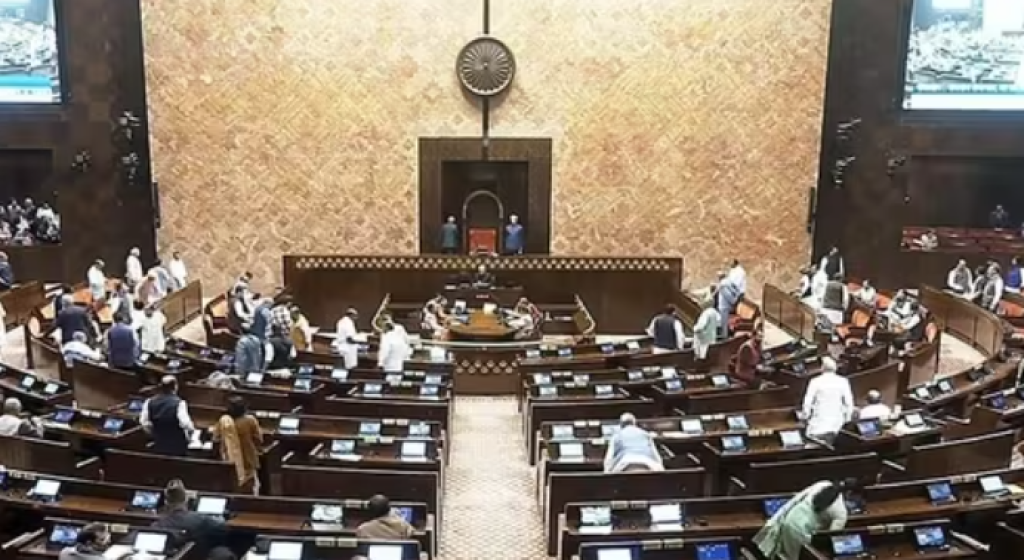
Delimitation bill: Does the math favour the Opposition in Lok Sabha?
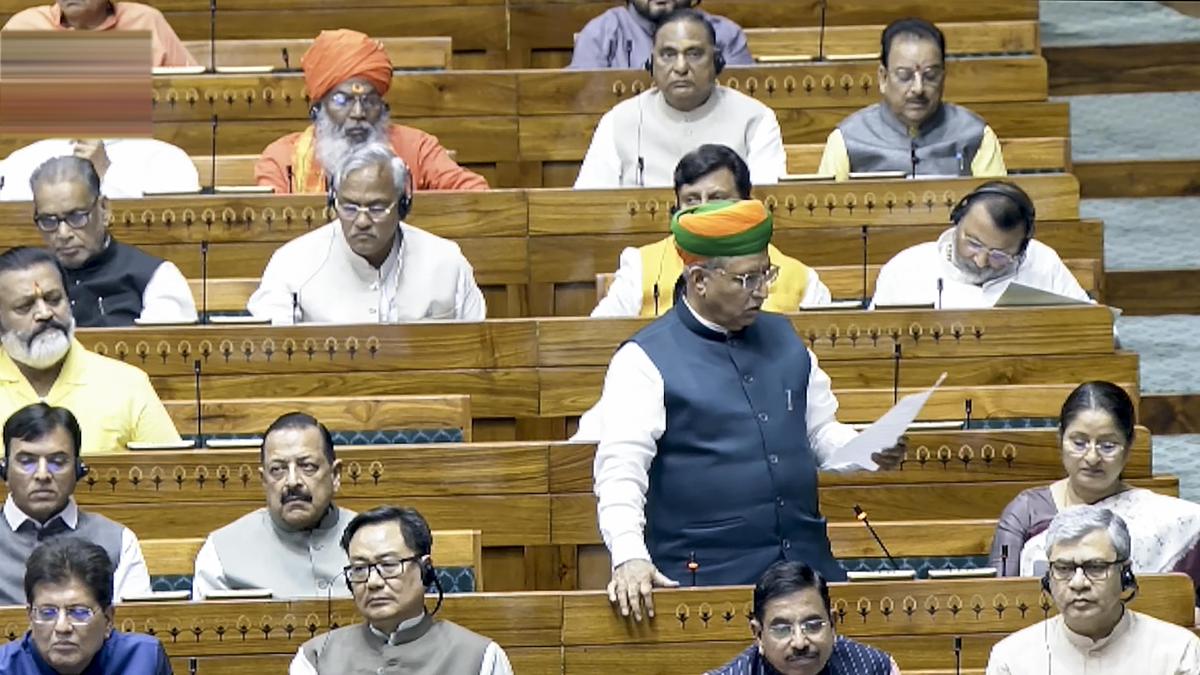
The Central government faces a high-stakes legislative showdown as it prepares to introduce the Constitution (131st Amendment) Bill, 2026 during a three-day special session of Parliament starting Thursday.
The bill, which proposes to expand the Lok Sabha from 550 to 850 seats, has met a wall of resistance from a unified Opposition.
The government has linked the expansion to implementing the Nari Shakti Vandan Adhiniyam (33% women’s reservation), but the Opposition calls it a “political stunt” to push through a controversial delimitation exercise.
As a constitutional amendment, the bill requires a “special majority” under Article 368. This means it must be approved by a majority of the total membership of each House, as well as by at least two-thirds of members present and voting.
In the Lok Sabha, the current effective strength stands at around 540 members. If all MPs are present and vote, the bill would need the support of at least 360 members to pass.
The ruling NDA currently has about 293 MPs, leaving it short by roughly 67 votes.
The Opposition bloc has around 234 MPs, enough to prevent the government from reaching the required two-thirds majority.
Even a smaller grouping within the Opposition could stall the bill.
The four largest Opposition parties, Congress, Samajwadi Party (SP), Trinamool Congress (TMC) and Dravida Munnetra Kazhagam (DMK), together account for a substantial chunk of seats. It would make it difficult for the government to push the legislation without cross-party backing.
source:hindustantimes.com